Tunduma: A Strategic Hub on the Tanzania-Zambia Corridor
The border town of Tunduma, Tanzania, is an important hub for grain trade and is the busiest border point in East Africa. It connects Tanzania to Zambia, Eastern Africa and beyond. Over 70% of the cargo passing through the Port of Dar-es-Salaam to neighboring countries comes from Tanzania via the Tunduma border.
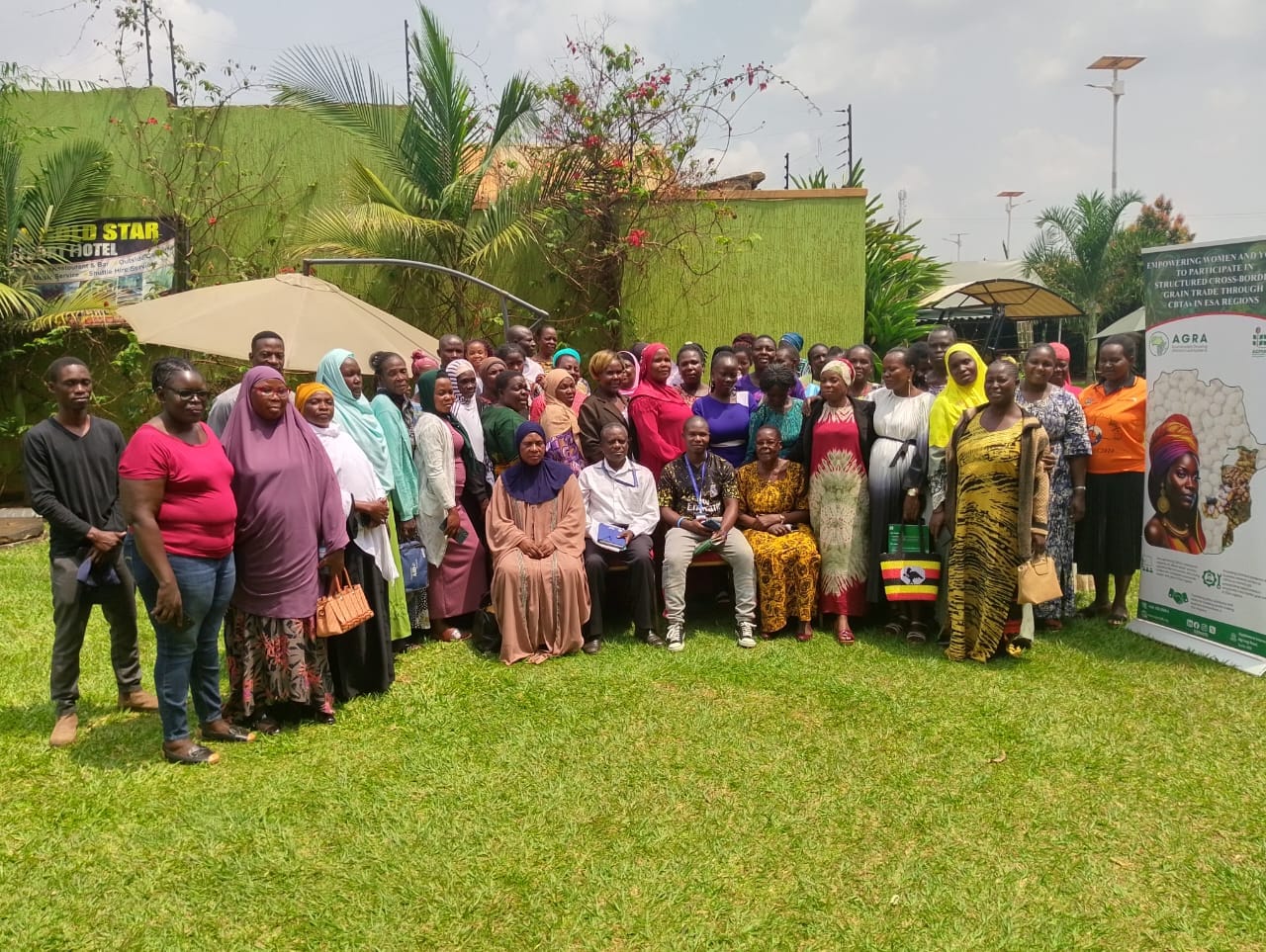
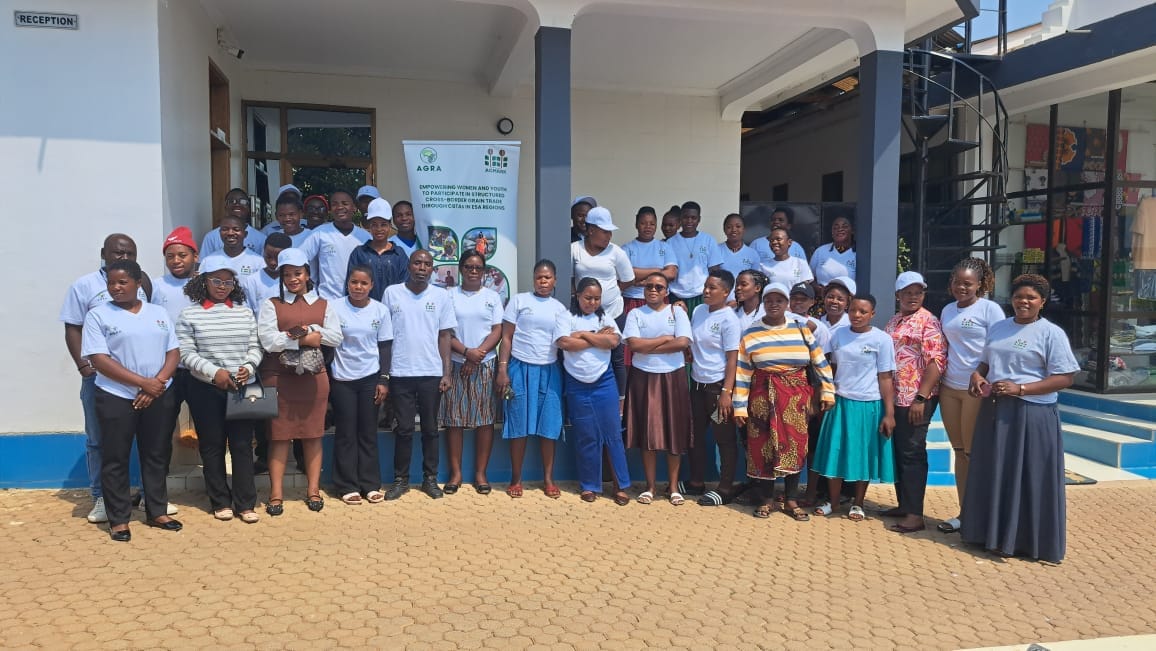
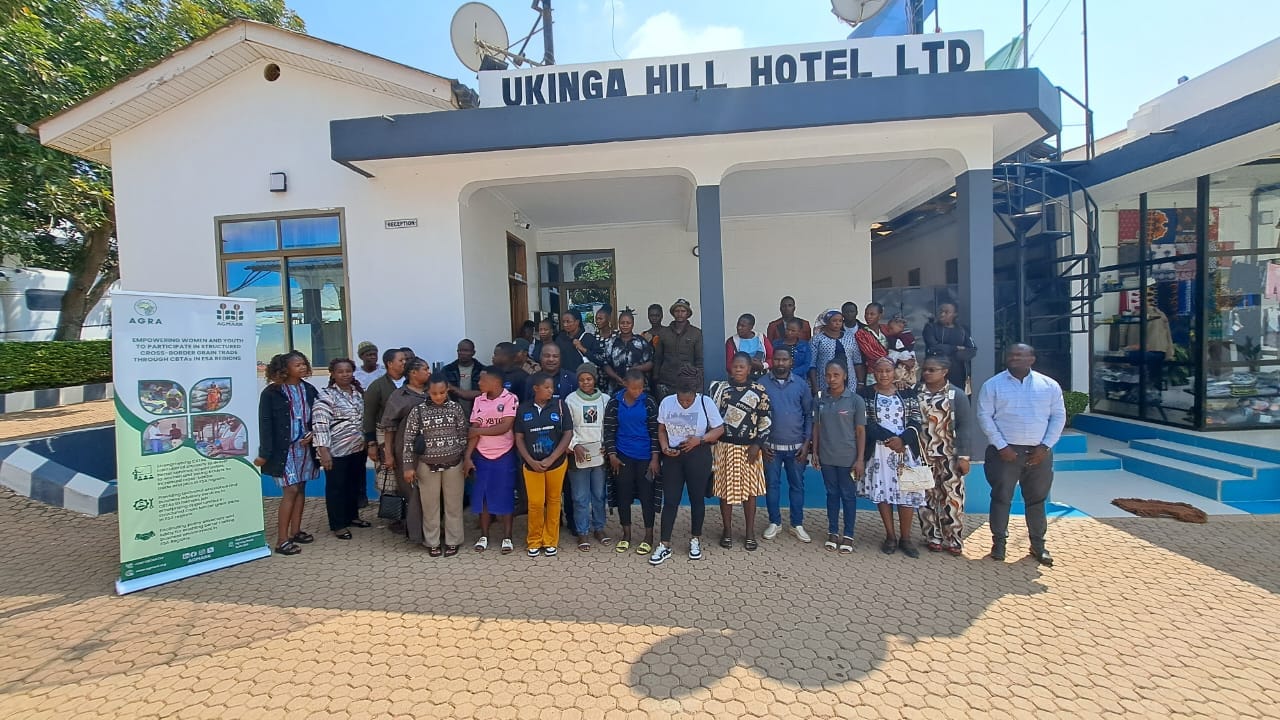
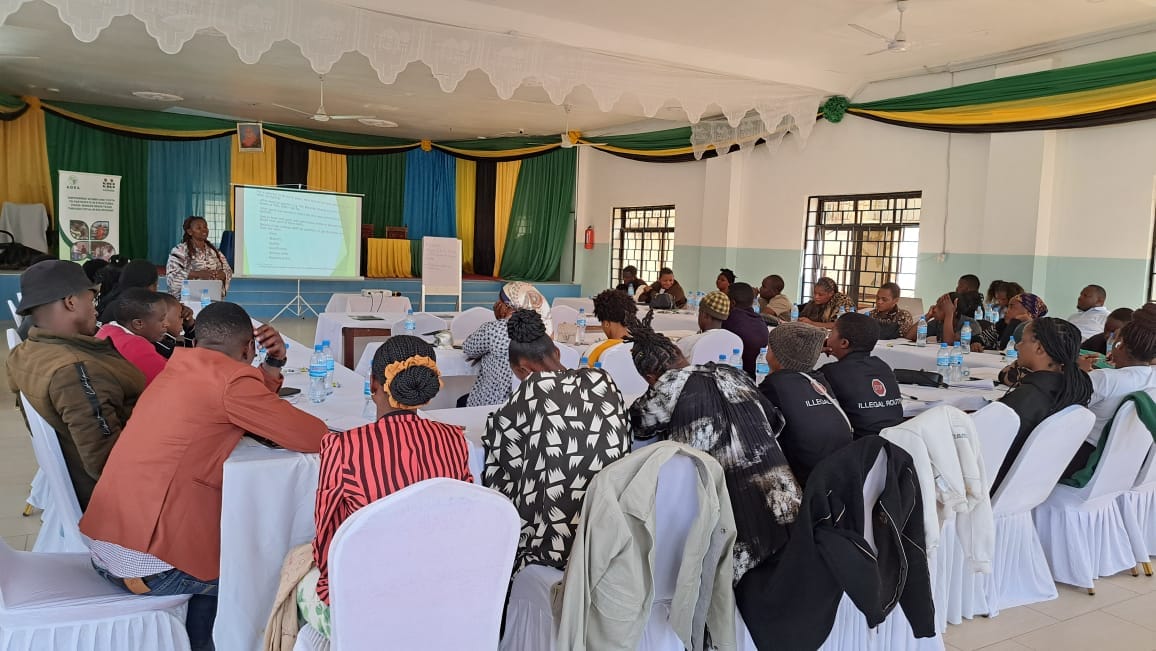
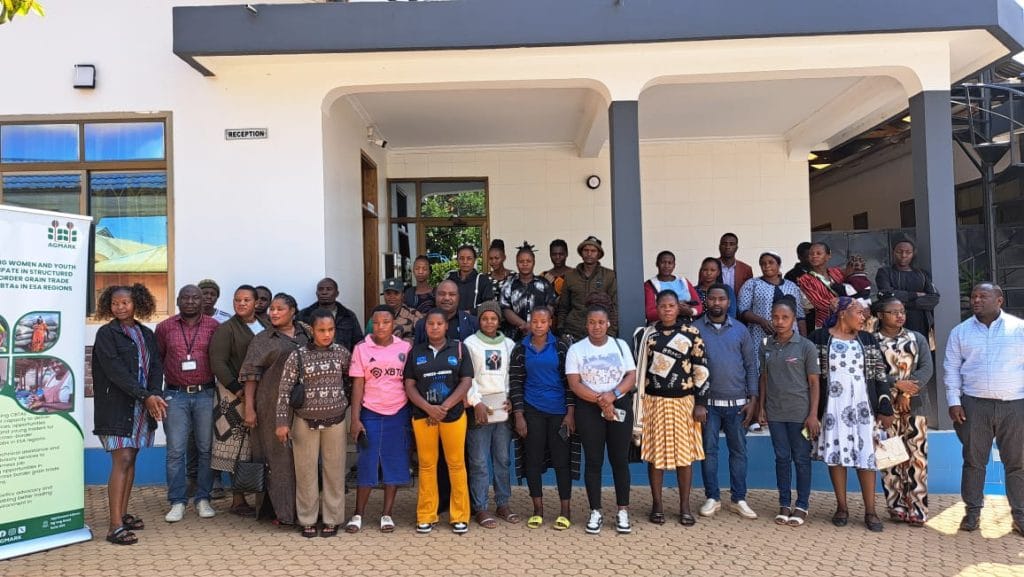
AGMARK, in our continuing project to empower smallholder farmers and build capacity of cross border traders in Eastern and Southern Africa, was on the ground under in Tunduma for a 3 day training in collaboration with Tunduma CBTA members to drive forward efforts to capacitate traders, enhance post-harvest management, and strengthen real-time linkages between farmers and markets.
Also Read: Nakonde CBTA Partners with AGMARK for Structured Grain Trade Skills Boost in Zambia
AGMARK, in our continuing project to empower smallholder farmers and build capacity of cross border traders in Eastern and Southern Africa, was on the ground under in Tunduma for a 3 day training in collaboration with Tunduma CBTA members to drive forward efforts to capacitate traders, enhance post-harvest management, and strengthen real-time linkages between farmers and markets.
Also Read: Nakonde CBTA Partners with AGMARK for Structured Grain Trade Skills Boost in Zambia
Engaging the Grain Market
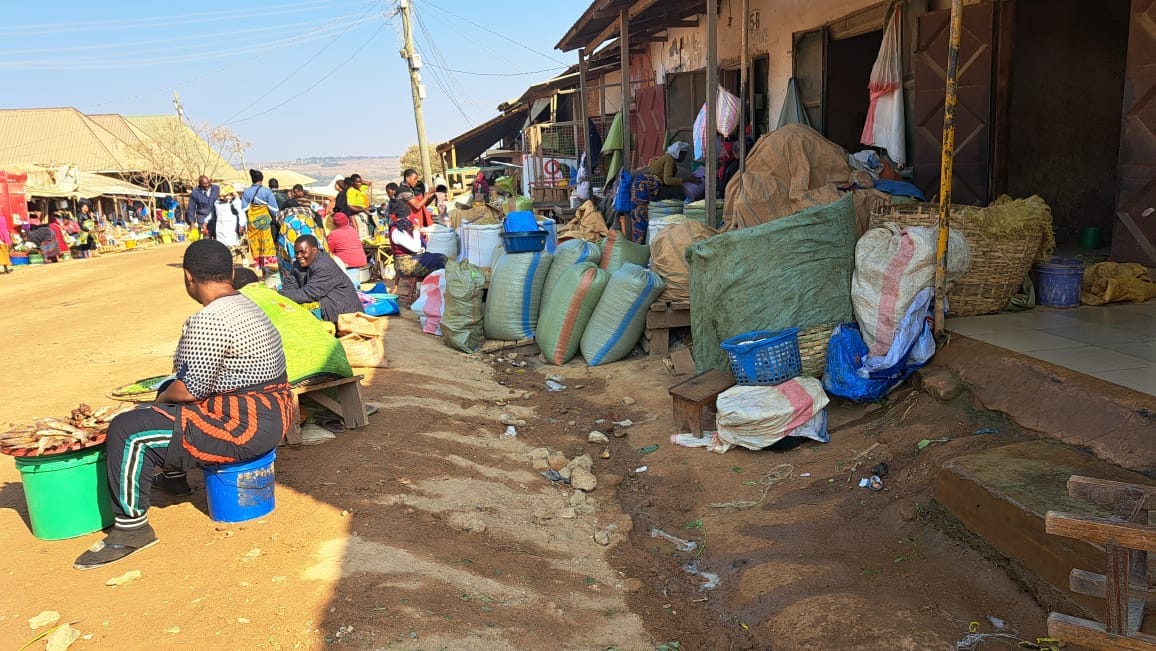
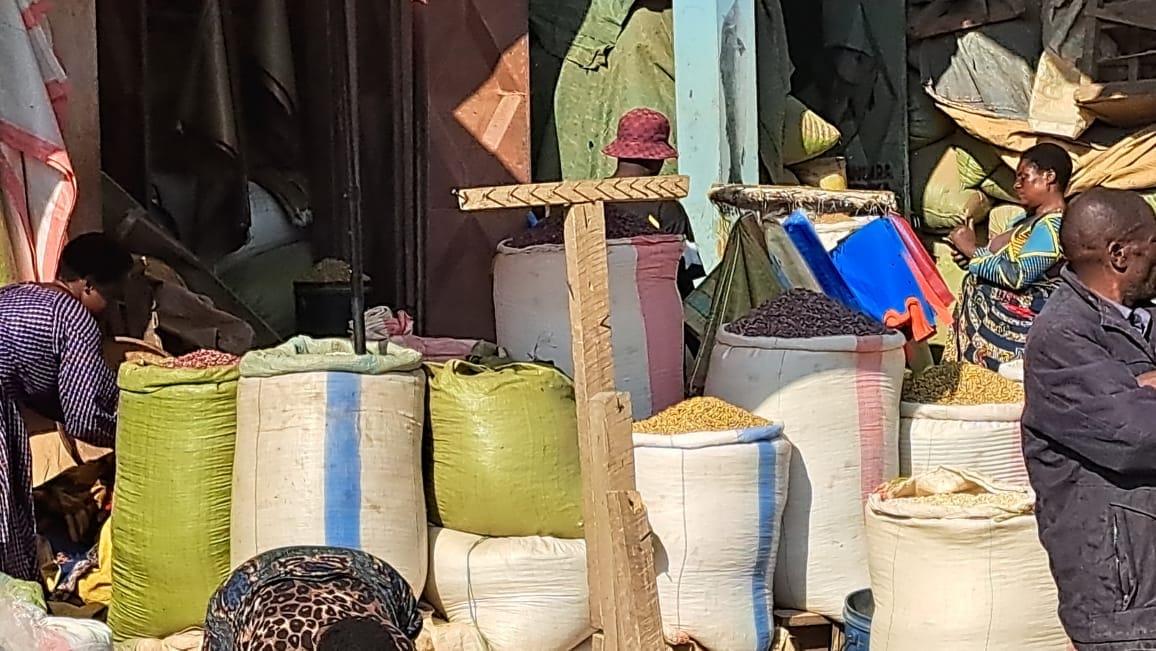
The team worked on mobilizing stakeholders, securing venues, and setting up logistics, ensuring the stage was set for impactful workshops. A key highlight were visits to Majengo Grain Market, the heartbeat of local grain trade in Tunduma. Here, traders shared first-hand experiences of navigating market dynamics, offering invaluable insights that shaped the discussions during the trainings.
AGMARK’s work in Tunduma builds on the broader Tanzania-Zambia corridor assessment documented in Enhancing Trade Capacity at the Tanzania-Zambia Border, which laid the groundwork for targeted training activities at this border.
Training and Capacity Building
The workshops started from July 28-30. Similarly to our ongoing engagements at Busia, Namanga and Nakonde, the workshops unfolded across core themes addressing critical needs of cross-border traders and farmer organizations:
- Grain Standards and Quality Parameters for the ESA Region & Post-Harvest Management – Participants learned how to reduce losses and improve grain quality to meet buyer requirements.
- Negotiation and Contracting with Traders, Processors, and Cooperatives – Leveraging tools like the COMESA Regional Food Balance Sheet, farmers and traders practiced using market data to secure better deals.
- Linking Farmers to Traders & Simplified Trade Regime – Training focused on trade contracts, dispute resolution, and navigating customs processes for smoother cross-border transactions.
Challenges and Lessons
Border towns have similar challenges when engaging people in training workshops. At Tunduma, the hot, dusty weather which is worsened by heavy transit truck movement made the learning environment less comfortable. Moreover, some participants attended with their infants, which occasionally caused distractions. These are reocurring themes and even though they are not detrimental, they are challenges nonetheless.
Similarly to other border towns, women attending the workshops with infants shows determination of participants to learn and grow whilst babysitting. Recognizing care responsibilities, particularly among women traders, is key to designing inclusive and effective capacity-building programs.
Similarly to other border towns, women attending the workshops with infants shows determination of participants to learn and grow whilst babysitting. Recognizing care responsibilities, particularly among women traders, is key to designing inclusive and effective capacity-building programs.
Final Thoughts
By connecting smallholder farmers with structured markets, AGMARK and AGRA are making strides toward a more inclusive and efficient cross-border grain trade system. Tunduma stands as a very vital link in this regional effort, as it stands as the busiest border point in East Africa and holds tremendous potential for investors. When traders, farmers, and institutions come together, stronger markets can emerge.
AGMARK returned to Tunduma in October to continue building on these foundations, delivering a further round of CBTA training that deepened trader networks and market linkages across the corridor.