Enhancing Trade Capacity at the Tanzania-Zambia Border
4 min read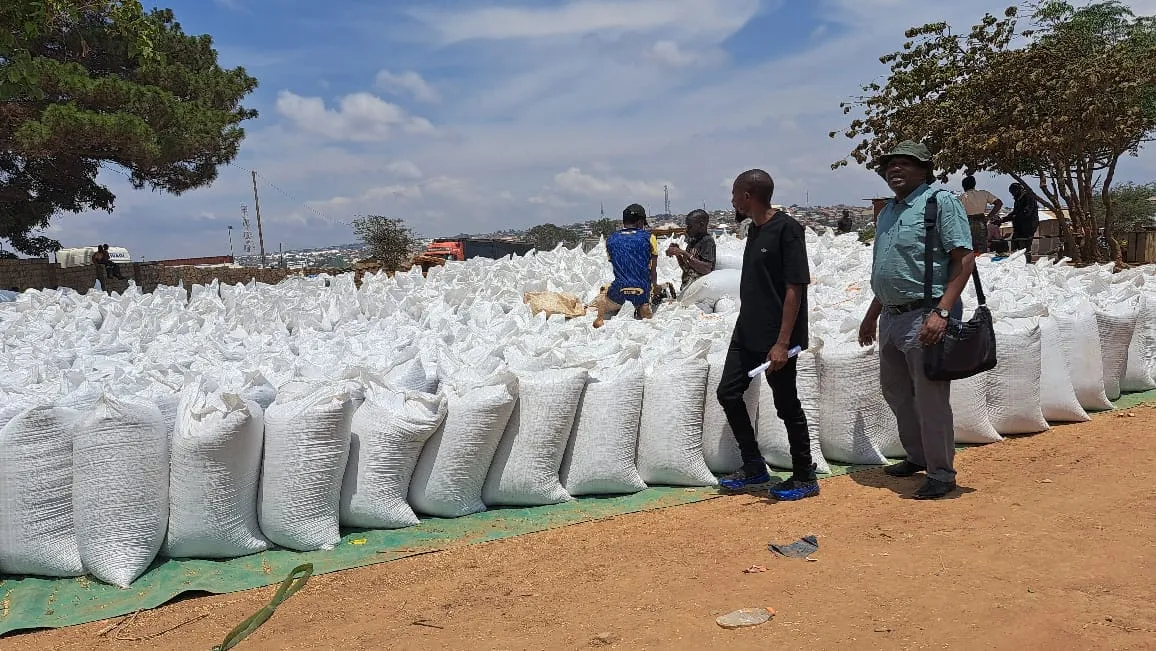
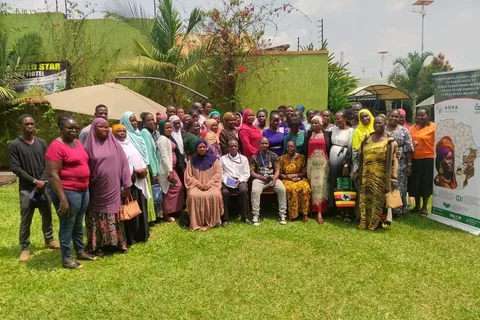
As part of our current project, AGMARK conducted courtesy visits to relevant government agencies and stakeholders at key border points to introduce the project "Empowering Women and Youth to Participate in Structured Cross-Border Grain Trade through CBTAs in ESA Regions", and secure their buy-in. These visits included presenting the project's introductory letter and fact sheets to officers in charge of key departments, followed by brief discussions on the challenges and gaps in cross-border trade.
AGMARK formalized partnerships by signing Memoranda of Understanding (MOUs) with CBTA-Tunduma and CBTA-Nakonde. These agreements outlined the roles, responsibilities, and mutual expectations for the successful implementation of the project. The AGMARK team also engaged with traders at the Nakonde border, focusing primarily on maize trade.
The Tunduma-Nakonde corridor is one of the busiest grain trade routes in sub-Saharan Africa, connecting landlocked Zambia to regional and international markets through Dar es Salaam port. Formalizing these partnerships was a foundational step under AGMARK's collaborative programme with AGRA, which targets women and youth across Eastern and Southern Africa. This initial engagement, one of the first field activities following the February 2025 project launch in Nairobi, set the stage for a longer-term capacity-building partnership with both CBTAs.
Based on the evaluation, Nakonde CBTA and Tunduma CBTA met the eligibility criteria and were recommended for further institutional capacity assessment. Geographically, CBTA-Tunduma operates at the Tanzania-Zambia border, CBTA-Nakonde functions at the Zambia-Tanzania border.
Institutional Capacity Assessment for Enhancing Trade
A CBTA eligibility criteria assessment was undertaken to evaluate the capacity of Cross-Border Trade Associations (CBTAs) at the Tunduma-Nakonde border (Tanzania-Zambia). The assessment focused on parameters such as women and youth involvement, geographic location, inclusivity, legal and operational status, advocacy for member interests, focus on grain value chains, partnerships and networks, institutional growth capacity, financial and risk management, openness to technological adoption, and membership size and scope. By conducting an Institutional Capacity Assessment, AGMARK ensures that the CBTAs at the Tanzania-Zambia border are well-equipped to support traders, improve trade efficiency, and contribute to regional economic development. The assessment also identifies key areas for improvement where AGMARK can provide targeted support through training and capacity-building initiatives. This includes enhancing financial management, strengthening governance structures, improving advocacy efforts, and promoting the adoption of modern trade facilitation technologies to empower CBTAs and their members for long-term sustainability.
The assessment findings gave AGMARK a detailed understanding of each CBTA's operational strengths and gaps. Both CBTA-Tunduma and CBTA-Nakonde demonstrated commitment to inclusive governance and grain value chain facilitation, though areas including financial record-keeping and structured trade documentation required targeted support. These insights directly shaped the capacity-building plan that followed. A dedicated structured grain trade skills programme for CBTA-Nakonde was developed from these findings, delivering training on grain standards, trade contracts, and dispute resolution mechanisms tailored specifically to the challenges traders face at this border.
Nakonde Market Loading Zone
Located at the Tunduma-Nakonde border between Tanzania and Zambia, the Nakonde market grain aggregation and loading zone is a busy center for grain movement across borders. Traders, transporters, and stakeholders come together here to facilitate the transfer of grains like:
🌽 maize
🍚 rice
🫘 beans
🌱 soybeans
🥜 groundnuts
This vital hub plays a key role in the regional trade network, boosting logistics efficiency and contributing to food security across East and Southern Africa.
The Nakonde Cross Border Traders Association (CBTA) is instrumental in organizing and advocating for small-scale traders at this border. CBTA Nakonde represents traders and addresses issues that affect them, such as smuggling, poor infrastructure, and lack of changing rooms. It also helps traders access permits for cross-border trade and runs the Trade Information Desk (TID) at the Nakonde border, which helps reduce the use of illegal routes. This will ultimately enhance trade capacity at the border. Through collaboration with AGMARK, the capacity assessments will identify challenges and develop solutions to enhance coordination, improve resource access, strengthen representation of traders and boost operational efficiency, especially at the loading zone.
By addressing these needs, we ensure that traders, especially women and youth, can navigate cross-border trade with greater ease and success.
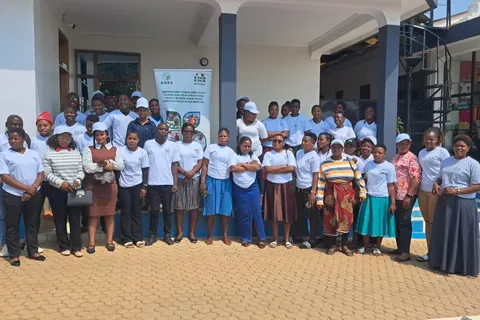
The work at Tunduma and Nakonde did not end with the initial assessment and MOU signing. AGMARK returned to both border points with structured training programmes built directly on what the institutional review identified. In September 2025, AGMARK delivered cross-border grain trade workshops in Tunduma for traders and smallholder farmers, covering grain market standards, structured trade systems, and postharvest management. By November 2025, a dedicated CBTA training programme in Tunduma further deepened the association's governance capacity and trade facilitation skills. Together, these activities reflect AGMARK's commitment to sustained, evidence-based support along the Tanzania-Zambia corridor, ensuring that the groundwork laid in these early capacity assessments translates into lasting, measurable change for traders on both sides of the border.