AGMARK Boosts Cross-Border Grain Trade in Nakonde, Zambia
4 min read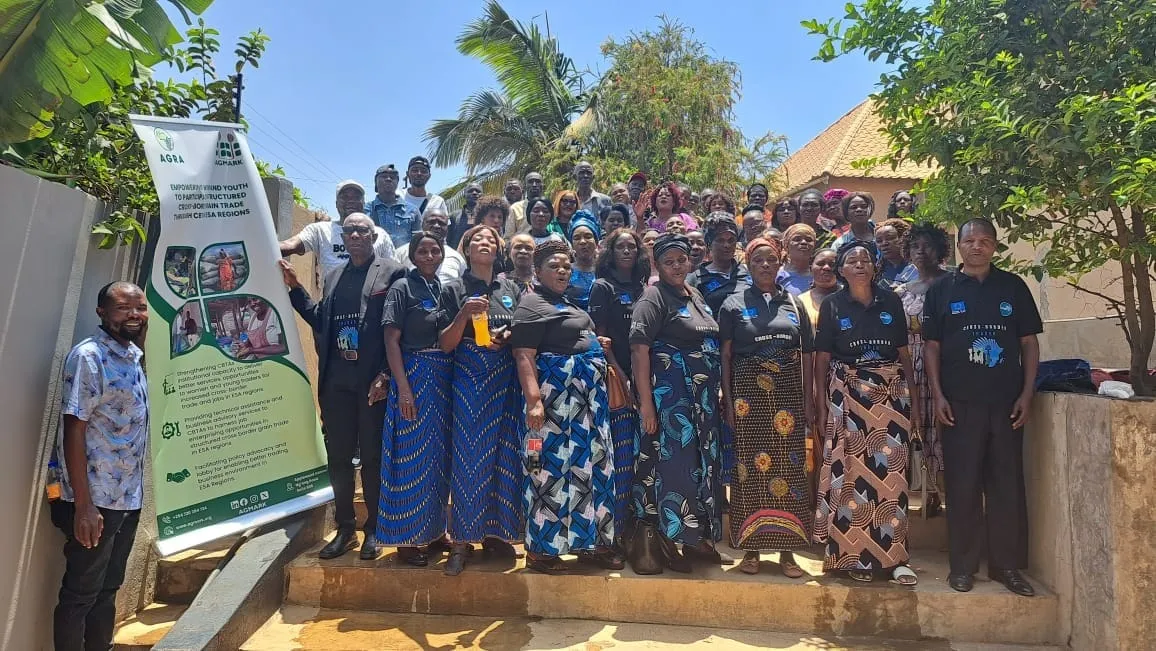
September 2025: Field Mission Along the Tunduma-Nakonde Corridor
From September 15 to 28, 2025, AGMARK staff were on the ground in Nakonde, Zambia, to support the Cross Border Trade Association project implementation along the busy Tunduma to Nakonde corridor. For many smallholder farmers and small scale grain traders, this border is where opportunity and risk meet, prices change quickly, paperwork can be confusing, and trust is tested in every deal.
AGMARK’s approach was practical, combining field supervision, stakeholder engagement and hands on training so that farmers, traders, processors and cooperatives can participate in more structured markets. Surplus and deficits often sit in neighboring districts and countries, yet trade can stall when market information is weak and contracting practices are informal. That is why strengthening skills and systems at key border hubs like Nakonde is central to improving cross-border grain trade in East Africa and beyond.
Building Skills for Structured Cross-Border Grain Trade
After travel via Dar es Salaam and Mbeya, the team began with venue identification and quotations, followed by trader mobilization. Engagements then shifted to the market itself, including meetings with the Food Reserve Agency and the District Commissioner, and a visit to a grain aggregation center at Mpemba Market near Tunduma where ThriveAgric was offtaking 1000MT of maize.
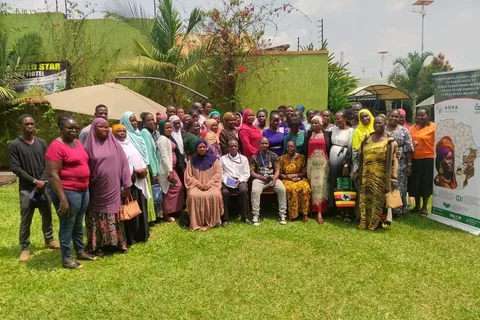
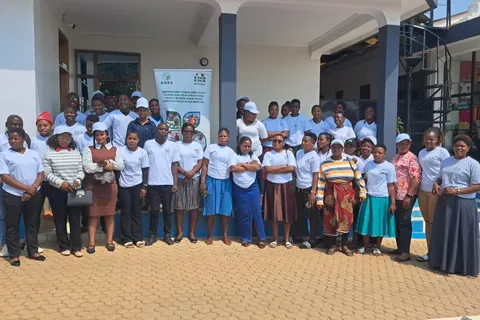
AGMARK delivered a sequence of trainings that connected technical grain requirements to real business decisions, so participants could negotiate with confidence and meet buyer expectations in the Eastern and Southern Africa market. The sessions also reinforced that structured trading is not only about volumes, it is also about quality, documentation and relationships that can be sustained across seasons. This included:
- Grain standards and quality parameters for the ESA region
- Post harvest management to protect quality and reduce losses
- Negotiation and contracting with traders, processors and cooperatives
- Trade contracts and dispute resolution mechanisms for safer transactions
- Simplified Trade Regime compliance to reduce delays and informal costs
- Using market information systems and platforms, including the COMESA Food Balance Sheet
- Linking smallholder farmers to grain traders in Nakonde through facilitated engagement
Also Read: Nakonde CBTA Partners with AGMARK for Structured Grain Trade Skills Boost in Zambia
Using Market Information and Fair Contracts
A recurring barrier raised by farmers and traders is not just finding a buyer, it is knowing when to sell, what quality to deliver, and how to protect both sides when prices shift or delivery terms change. In Nakonde, AGMARK emphasized existing regional tools that help actors move from guesswork to evidence, including the digital Regional Food Balance Sheet, which COMESA and partners introduced to provide more timely insights on production, consumption, trade and stocks across East and Southern Africa. Participants were oriented on how these insights can strengthen bargaining positions, inform aggregation plans and reduce panic selling, especially when informal information channels distort prices.
For readers who want to explore the platform’s origins and purpose, see COMESA’s note on the launch of the digital Regional Food Balance Sheet, and the broader COMESA update on the development of the Regional Food Balance Sheet. This kind of market transparency becomes more powerful when aligned with regional efforts to connect Market Information Systems, as discussed in the regional blueprint for harmonizing market information systems, because better information supports stronger smallholder farmer market linkages and lowers the risk of exploitative terms. AGMARK emphasized on:
- Clear contract basics, including quantity, grade, delivery points and payment timelines
- Documentation practices that help traders and cooperatives meet buyer requirements
- Practical steps for agricultural dispute resolution mechanisms, including agreed escalation paths and evidence keeping
Also Read: Strengthening Cross-Border Grain Trade in Tunduma, Tanzania
Smallholder Farmer Market Linkages and Challenges
Linkages were not treated as a promise of instant sales, they were approached as a process of preparing producers and traders to transact reliably at scale. This was demonstrated through ThriveAgric’s presence at Mpemba Market near Tunduma, where the company was offtaking 1,000 MT of maize, with Mr Bernard Juma, head of commercial at Thrive Agric in Kenya and Uganda, on site, showing what structured demand can look like when aggregation and buyer requirements are clear.
Two challenges noted by AGMARK that must be addressed if structured trade is to grow:
- High expectations from traders for immediate market linkages.
- Reported harassment of small scale traders in Nakonde by Tunduma Municipal authorities, which discourages cross border trading and erodes confidence.
AGMARK recommends clear communication on timelines and phased linkage approaches, alongside dialogue with municipal authorities and joint border structures to promote fair treatment, workable grievance channels and harmonization of the Simplified Trade Regime policies. These efforts matter at scale.
Our work across the region shows the value of sustained capacity building, including large mobilizations such as the Kenya Agrodealer Strengthening Program documented by CNFA. AGMARK invites border agencies, cooperatives, offtakers and development partners to invest in trader friendly governance and continued skills building, so that safe contracting and predictable rules become the norm for border communities.
AGMARK continued this corridor momentum in November, when Tunduma CBTA training strengthened trader networks on the Tanzania side of the same border.

Sylvester Aura is a Project Management and MEARL Expert with 13+ years of experience in agricultural research, food security, and program evaluation. He leads applied research and multi-stakeholder studies that strengthen smallholder productivity, nutrition outcomes, and evidence-based agricultural policy across East Africa.