Empowering Arusha Grain Traders with Contracts Training
3 min read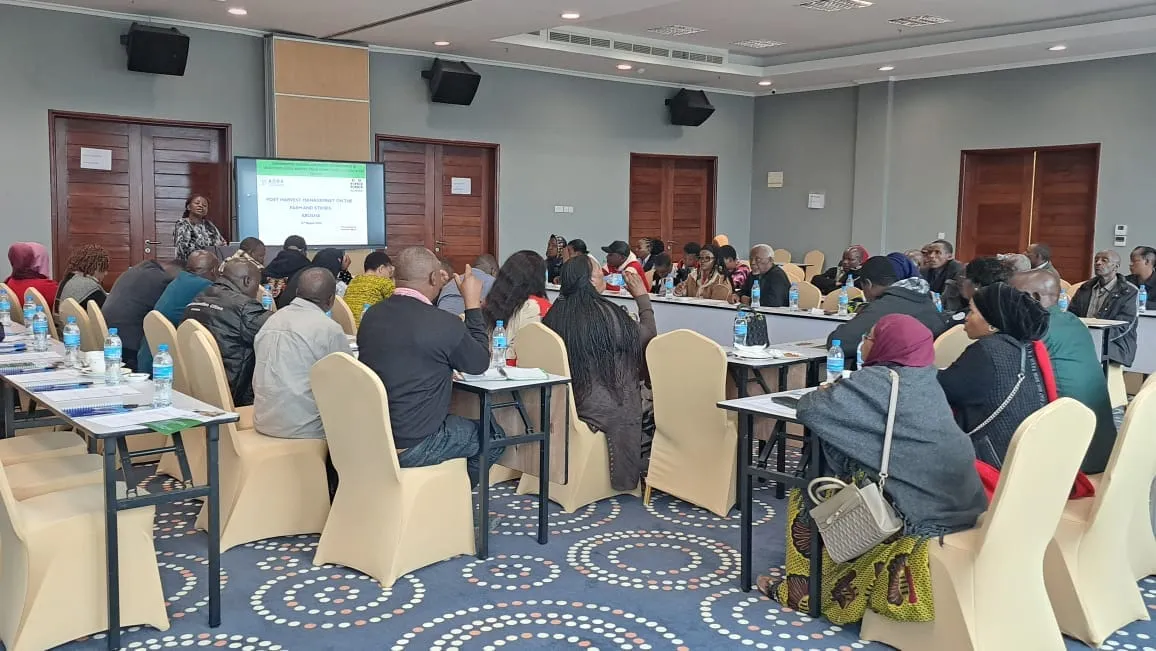
Arusha Capacitation: Building Trade Contracts and Farmer Linkages
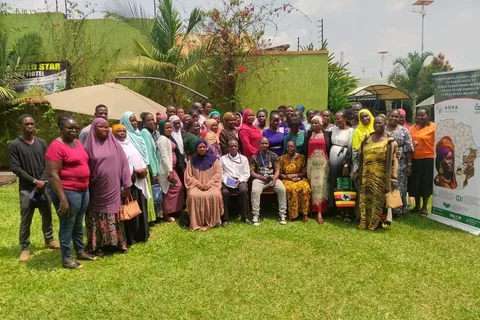
Between 14th and 28th August 2025, AGMARK conducted a focused trader capacitation program in Arusha under the CBTA project, mobilizing large numbers of Arusha grain traders from Mbauda market to attend a practical workshop on standards, postharvest care and business advisory. The field team worked with local partners to ensure participation, and the turnout showed traders want reliable market information and better business practices. This initiative built smallholder linkages by inviting representatives from ten farmer organizations, facilitated through a GIZ-supported farmer information center.
The focus on trade contracts in Tanzania and dispute resolution was especially relevant, given concerns about unethical practices by some Kenyan traders in the region. This training lays groundwork for trusting trade relationships and structured grain transactions. For rural producers and traders alike, structured training helps turn informal activity into documented, accountable trade, and Mbauda traders were keen to record volumes and values as part of that change.
Also Read: Strengthening Cross-Border Grain Trade in Tunduma Tanzania
Arusha Grain Traders Trust Issues with Kenyans
The workshop covered essential themes:
- Grain standards for ESA region
- Post-harvest management
- Negotiation and contracting
- Use of market information systems like the COMESA Food Balance Sheet
- Linking smallholder farmers to traders
- Trade contracts and dispute resolution
- The Simplified Trade Regime.
There was a particular focus on dispute resolution and how contracts can protect both buyers and sellers. Some arusha grain traders mentioned that Kenyan traders operating across borders have in some places earned a poor reputation for malpractice and acting in bad faith, so the training emphasized clear contracts and practical dispute mechanisms to rebuild trust.
Linking Traders to Smallholder Farmers
A key outcome was stronger trader links to farmer organizations. With support from Farida, a grain trader from Arusha and long term partner with AGMARK, the team visited a farmer information center supported by GIZ where ten farmer organizations were meeting. AGMARK collected names and membership details and invited representatives to the workshop, creating direct buyer seller connections that are essential for predictable supply and fair pricing. Strengthening these linkages is critical given Tanzania has over 22.4 million smallholder crop growers who form the backbone of domestic and export markets. Programs such as the Farm to Market Alliance show how farmer service centers can scale market access in northern Tanzania, and AGMARK’s local work in Arusha complements those broader efforts by turning contacts into contractual trade.
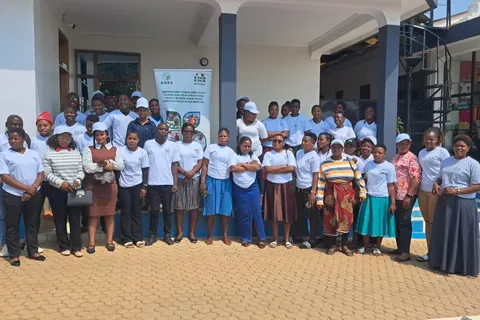
AGMARK’s September training at Namanga, where 37 traders worked on structured grain trade systems, extended this Tanzania regional effort across the corridor.
Also Read: Namanga Youth Traders and Women Receive Grain Trade Training
Documenting Trade Volumes and Youth Employment
The field team dedicated time to documenting volumes and value of grains traded and to recording employment created for youth during the trading and postharvest chain. This practical tracking supports transparency and informs optimization of future trade contracts in Tanzania. Traders and anchor offtakers such as Mount Meru Group Ltd were visited and the team captured data on commodity flows. The project’s approach to data collection is informed by wider evidence that market support programs can increase access to financial services and repair market infrastructure, which in turn helps smallholders and young agrientrepreneurs commercialize production. AGMARK’s documentation work aligns with regional findings showing significant gains from coordinated market interventions and highlights the need for data privacy assurances to encourage full cooperation.
Challenges, Lessons and Moving Forward
Field staff faced delays due to Tanzania election-era clearance processes, and some traders were hesitant to share trade data. The team learned that building trust requires early local liaison and transparent data privacy protocols.
Recommendations from the field trip include liaising with local administration ahead of events to avoid delays, and routinely sharing the project value and data privacy protocols with traders to build trust. AGMARK will continue to capacitate traders in negotiation and contracting while linking them to farmer organizations to increase transparency in cross-border grain trade. Donors and partners who support farmer service centers and market information systems can amplify these gains, as demonstrated by initiatives that reach hundreds of thousands of smallholders and service centers in nearby regions.
If you are a trader, farmer representative or partner interested in joining future workshops please contact AGMARK so we can scale these linkages and help more smallholder farmers Tanzania access profitable markets and youth find employment in the grain value chain. Stakeholders are invited to support further workshops, data collection efforts, and inclusive trading systems that benefit farmers, traders and communities alike.

Sylvester Aura is a Project Management and MEARL Expert with 13+ years of experience in agricultural research, food security, and program evaluation. He leads applied research and multi-stakeholder studies that strengthen smallholder productivity, nutrition outcomes, and evidence-based agricultural policy across East Africa.